◆ Noise suppression filters for switching power supplies
◆ Electrostatic noise filters for power lines and signal lines
◆ Interference suppressors for converters, ultrasonic equipment, and related thermal/EMI applications
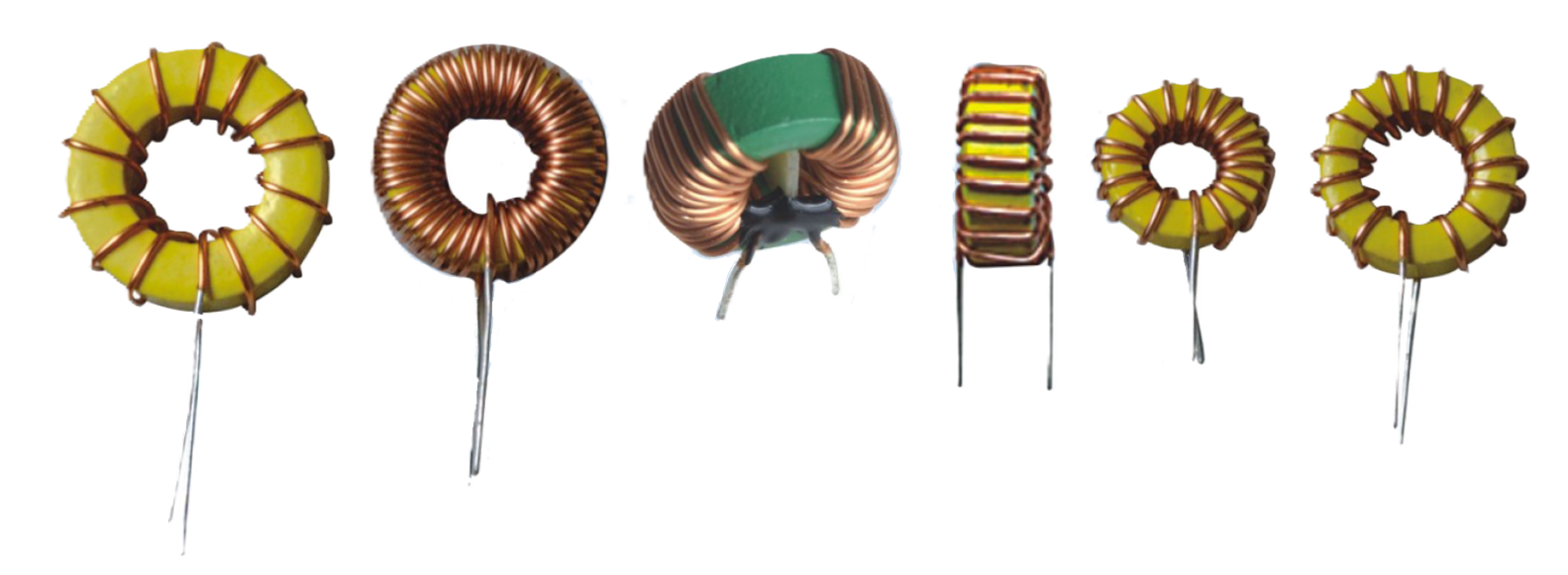
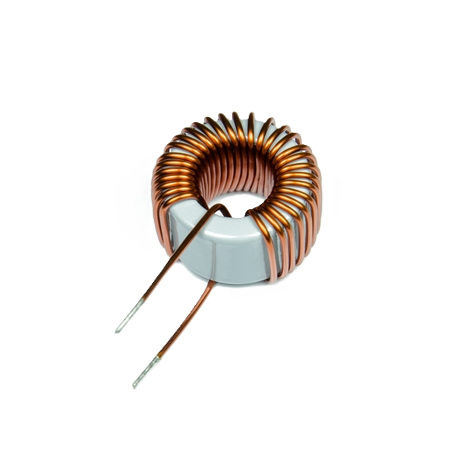
Magnetic ring inductors, also known as toroidal inductors, are electronic components primarily used to store energy and resist changes in electrical current. The core structure of a magnetic ring inductor typically consists of a ring-shaped (toroidal) magnetic core wrapped with conductive wire, operating on the principles of electromagnetic induction.
Below is a more detailed explanation of magnetic ring inductors:
1. Basic Concepts
Inductor: An essential component in electronic circuits that resists changes in the current passing through it. This characteristic is known as inductance.
Toroid: A ring-shaped magnetic material commonly used as the core for inductors.
Toroidal Inductor: An inductor formed by winding conductive wire around a toroidal magnetic core.
2. Operating
When electrical current passes through the wire of a toroidal inductor, a magnetic field is generated.
Changes in this magnetic field induce a voltage that opposes the variation in current, which represents the core property of inductance.
The closed-loop shape of the toroid helps confine the magnetic field within the device, minimizing external electromagnetic interference (EMI) and significantly enhancing the inductor's performance.
Component Image